

Guide
How to Wean Off Alcohol?
Weaning off alcohol can be a challenging process, especially for those with a physical dependence on alcohol. If you’re considering reducing your alcohol intake, it’s crucial to understand the safest and most effective methods to avoid dangerous withdrawal symptoms. This guide provides essential information on how to wean off alcohol safely, including what to expect, the role of medical supervision, and strategies for a successful recovery journey.
Medically Reviewed By: Dr. An Nguyen
Sections
Jump To:
How to wean off alcohol safely?
Weaning off alcohol safely requires a slow taper under medical supervision to manage physical dependence and avoid severe withdrawal symptoms. Healthcare professionals at a treatment center like ours create a treatment plan that reduces alcohol intake gradually, often cutting consumption by 10–20% every few days. This evidence-based approach helps those drinking heavily avoid complications like delirium tremens (DTS), ensuring a safe and effective process. Support groups and therapy provide emotional guidance, helping individuals stay hydrated and committed to recovery.
What are alcohol withdrawal symptoms?
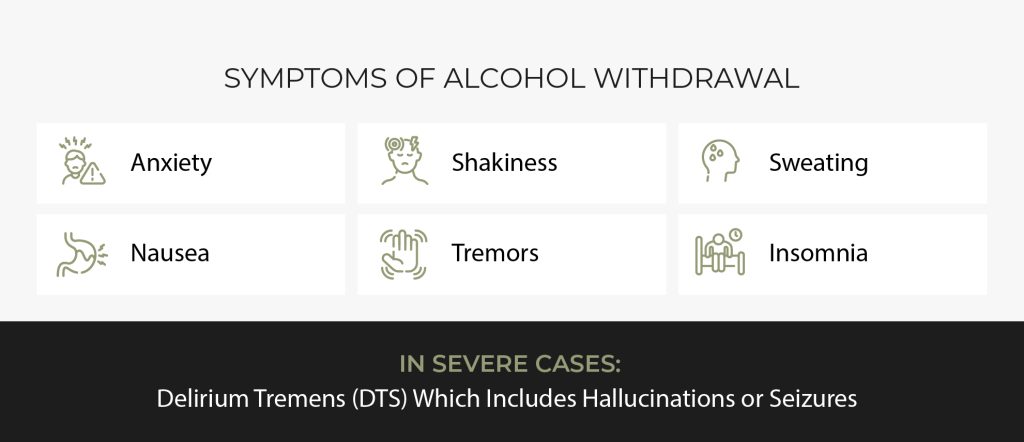
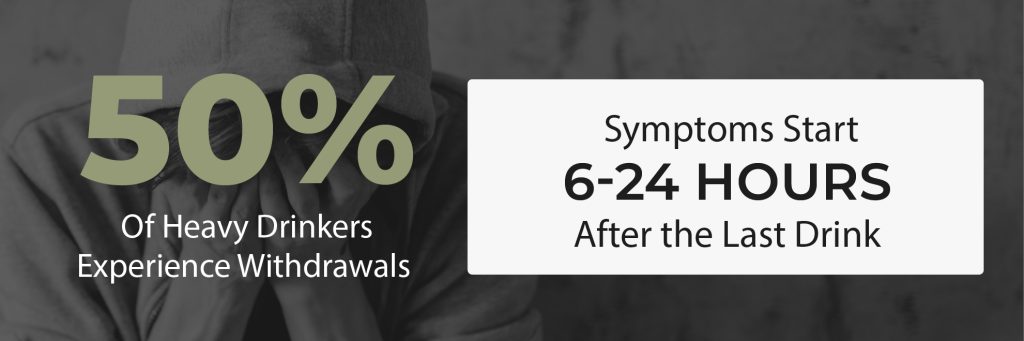
Withdrawal symptoms from detoxing from alcohol range from mild to severe, depending on the extent of physical dependence. Those who consume alcohol heavily may experience anxiety, shakiness, sweating, nausea, tremors, insomnia, or, in severe cases, delirium tremens (DTS), which includes hallucinations or seizures. According to the National Institute on Alcohol Abuse and Alcoholism, about 50% of heavy drinkers experience withdrawals, with symptoms starting 6–24 hours after the last drink. Healthcare professionals monitor these symptoms to ensure safety during the tapering process.
How long does alcohol detox last?
The alcohol detox process typically lasts 5–10 days for acute withdrawal symptoms, though post-acute withdrawal syndrome (PAWS), like mood swings or cravings, can persist for weeks or months. The detox timeline varies from person to person, with heavy drinkers facing longer recovery, per American Addiction Centers. Medical supervision at a treatment center shortens the acute phase and supports brain functions, ensuring a safe and effective treatment plan for treating alcoholism.
Can I detox from alcohol at home?
Detoxing from alcohol at home is risky, especially for those with physical dependence. Withdrawal symptoms like delirium tremens (DTS) or seizures can be life-threatening, with studies showing a 5–10% mortality risk for severe cases without medical intervention. Healthcare professionals at treatment centers provide 24/7 care, monitor health conditions, and adjust the tapering process. Home detox without guidance increases the risk of relapse or complications, making professional support essential for a safe and effective recovery.

What is a safe alcohol taper schedule?
A safe alcohol taper schedule involves reducing alcohol intake gradually to minimize withdrawal symptoms. Healthcare professionals typically cut consumption by 1–2 standard drinks per day (e.g., from 10 drinks to 8, then 6) every 2–4 days, per SAMHSA guidelines. For heavy drinkers, switching to lower-alcohol beverages like beer may ease the transition. The treatment plan is tailored from person to person, ensuring brain functions stabilize. Treatment centers like Desert Recovery Centers guide you every step, ensuring a safe and effective taper.
Are there medications for alcohol withdrawal?
Medications play a key role in treating alcoholism during alcohol detox. Healthcare professionals may prescribe benzodiazepines like lorazepam to prevent seizures or delirium tremens (DTS), naltrexone to reduce cravings, or acamprosate to support sobriety, per the FDA. These adjunctive medications ease physical and psychological symptoms, making the tapering process smoother. Treatment centers ensure medications are part of an evidence-based treatment plan, tailored to the individual’s health condition.
How to manage tremors during alcohol detox?
Tremors, a common withdrawal symptom, can be distressing during alcohol detox. Healthcare professionals use benzodiazepines or beta-blockers to reduce tremors and stabilize the nervous system. Staying hydrated, eating nutrient-rich foods, and practicing relaxation techniques like deep breathing help manage symptoms. Support groups at a treatment center offer coping strategies, providing peace of mind as heavy drinkers navigate the tapering process and work toward recovery.

What happens if I quit alcohol cold turkey?
Quitting alcohol cold turkey is dangerous, especially for those who consume alcohol heavily. Abrupt discontinuation can trigger severe withdrawal symptoms, including delirium tremens (DTS), seizures, or suicidal thoughts, with a 5–10% risk of life-threatening outcomes, per the CDC. Physical dependence makes suddenly stopping risky, increasing the risk of relapse or medical emergencies. A slow taper under medical supervision reduces the risk, ensuring a safe and effective path to sobriety.
How to reduce alcohol intake gradually?
Reducing alcohol intake gradually involves cutting consumption slowly, such as by 1–2 drinks per day every few days, under medical supervision. Healthcare professionals may recommend switching to lower-alcohol options, like beer over liquor, to ease the transition. Tracking intake and setting goals with a treatment center helps maintain control. Therapy and support groups address cravings, ensuring the tapering process supports brain functions and long-term recovery from alcohol use disorder (AUD).

Is medical detox necessary for alcohol?
Medical detox is often necessary for heavy drinkers due to the life-threatening risks of withdrawal symptoms. Delirium tremens (DTS), seizures, or severe dehydration can occur without medical intervention, with 30–40% of unsupervised detox attempts failing, per SAMHSA. Treatment centers like Desert Recovery Centers provide evidence-based care, using adjunctive medications and therapy to manage health conditions, ensuring a safe and effective detox process.
What are the stages of alcohol withdrawal?
Alcohol withdrawal has three stages, per the American Addiction Centers. Early stage (6–12 hours after last drink) includes mild symptoms like anxiety or tremors. Acute stage (12–48 hours) brings severe symptoms like nausea or heart palpitations. Delirium tremens (DTS), the severe stage (48–72 hours), may involve hallucinations or seizures. Post-acute withdrawal can last months, with mood swings or cravings. Medical supervision ensures each stage is managed safely, supporting brain functions.

How to cope with cravings during an alcohol taper?
Cravings during an alcohol taper can be intense. Healthcare professionals use naltrexone or acamprosate to reduce cravings, while CBT helps develop coping skills. Mindfulness and distraction techniques, like exercise or hobbies, redirect focus. Support groups at a treatment center offer encouragement from others in recovery, helping family members and individuals manage cravings and maintain peace of mind during the tapering process.
Can I use beer to taper off liquor?
Using beer to taper off liquor can be part of a treatment plan for heavy drinkers, as its lower alcohol content helps reduce alcohol intake gradually. Healthcare professionals may recommend switching to beer to lower daily alcohol units, cutting 1–2 drinks every few days. This approach requires medical supervision to avoid overuse and ensure withdrawal symptoms are managed, making the tapering process safe and effective for treating alcoholism.
What signs indicate severe alcohol withdrawal?
Severe withdrawal symptoms include delirium tremens (DTS), hallucinations, seizures, confusion, or suicidal thoughts, typically appearing 48–72 hours after the last drink. Rapid heart rate or severe dehydration also signals a health condition needing medical intervention. Talk to your doctor immediately if these signs appear, as treatment centers provide urgent care to reduce the risk of life-threatening outcomes and ensure safety.
How to prepare for alcohol detox?
Preparing for alcohol detox involves consulting a healthcare professional to create a treatment plan. Inform family members of support, stay hydrated, and stock nutrient-rich foods to aid recovery. Arrange for medical supervision at a treatment center to manage withdrawal symptoms. Joining support groups and learning about detox stages builds confidence, ensuring family members and individuals are ready for a safe and effective recovery from alcohol use disorder (AUD).

Alcohol Addiction Recovery at Desert Recovery Centers
At Desert Recovery Centers, we understand the challenges of alcohol addiction and offer personalized, evidence-based treatment plans to guide you or your loved one toward lasting sobriety. Our healthcare professionals provide medical supervision, therapy, and support groups, ensuring a safe and effective path to recovery. Contact us today for a confidential consultation and take the first step toward a healthier, alcohol-free life.
Previous Chapter
How to Taper Off of Fentanyl

Additional Chapters on Drug or Alcohol Detoxification


Don’t Wait Another Day to Help Yourself or A Loved One
We Are Here to Guide You On This Healing Journey
"*" indicates required fields