

Guide
How to Taper Off Benzodiazepines?
Benzodiazepines are medications often prescribed to treat anxiety and other conditions, but long-term use can lead to physical dependence. If you’re considering stopping, it’s crucial to understand the safe and effective ways to taper off to minimize withdrawal symptoms and ensure a smooth transition.
Medically Reviewed By: Dr. An Nguyen
Sections
Jump To:
Benzodiazepines come in various forms, each with different half-lives and potencies.
Common benzodiazepines include:
- Short-acting: Xanax (alprazolam), Ativan (lorazepam), Halcion (triazolam)
- Medium-acting: Klonopin (clonazepam), Restoril (temazepam)
- Long-acting: Valium (diazepam), Librium (chlordiazepoxide)
Understanding the specific type of benzodiazepine is important because it influences the tapering schedule and potential withdrawal symptoms.
How long does it take to taper off benzodiazepines?
The tapering process for benzodiazepines depends on the high dose, how long the person has been using the drug, and their individual health. A slow taper typically takes 6 to 12 months, though some people with high doses or long-term use may need up to two years. Medical professionals often reduce the dose by 5 to 10% every 2 to 4 weeks to keep withdrawal symptoms minimal. Research shows that 45% of people under supervised care stop benzodiazepines within a year, compared to just 9% without guidance.
What are the symptoms of benzodiazepine withdrawal?
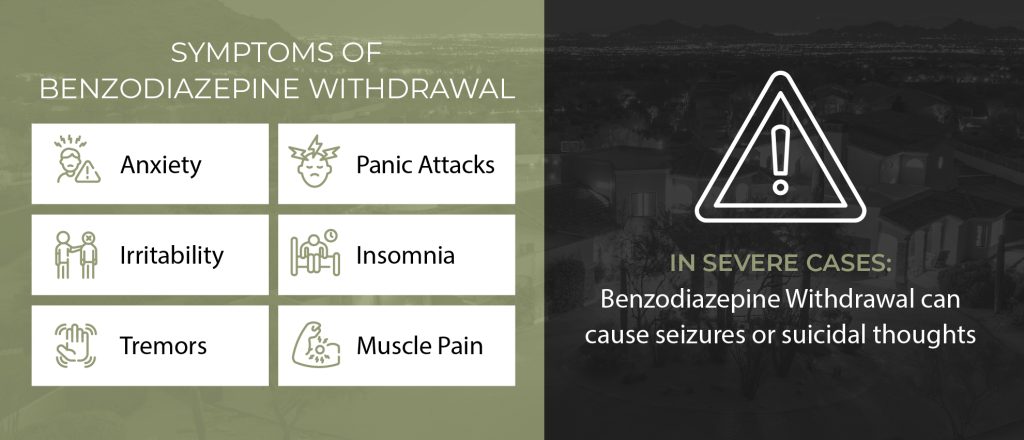
Withdrawal from benzodiazepines can bring physical and psychological challenges, especially for those dependent on the drug. People may feel rebound anxiety, panic attacks, irritability, insomnia, tremors, muscle pain, or, in severe cases, seizures or suicidal thoughts. Short-acting drugs like Xanax (alprazolam), with an 8 to 16-hour half-life, often cause harsher symptoms due to their quick exit from the body. Medical professionals track these withdrawal symptoms to adjust the tapering process, ensuring a safer and more comfortable experience.
How to taper off Xanax safely?
Safely tapering off Xanax, a short-acting benzodiazepine, often involves switching to a longer-acting drug like diazepam (Valium) to stabilize blood levels. Medical professionals typically begin with a 10 to 25% dose reduction, followed by 5 to 10% cuts every 2 to 4 weeks. Compounded products from pharmacies allow precise dosing for small reductions. Working with a doctor is crucial to avoid abruptly stopping, which can worsen withdrawal symptoms like seizures or rebound anxiety. Joining support groups provides emotional encouragement, helping people stay committed to the tapering process.
Can I taper off benzodiazepines at home?
Tapering at home is not advised due to the risk of severe withdrawal symptoms. Withdrawal from benzodiazepines can be dangerous, especially for those on high doses or with long-term use, potentially leading to life-threatening issues like seizures. Medical professionals offer supervision, adjusting the tapering process based on symptoms to ensure safety. Attempting a home taper without guidance lowers success rates and increases risks. Facilities like Desert Recovery Centers provide structured programs for a safe and effective taper, giving people the support they need.

What is a typical benzodiazepine taper schedule?
A typical benzodiazepine taper schedule, such as the Ashton Protocol, involves switching to a long-acting drug like diazepam for stability, starting with a 10 to 25% dose reduction, then cutting 5 to 10% every 2 to 4 weeks. Toward the end, smaller reductions, often using compounded products, ensure precision. The schedule is tailored to the person’s dose, duration of use, and health, ensuring the drug is gradually tapered to reduce the risk of withdrawal symptoms. Medical professionals monitor progress, making adjustments to keep the process smooth and manageable.
Are there medications to help with benzo withdrawal?
Certain medications can ease withdrawal from benzodiazepines. Medical professionals may prescribe anticonvulsants like gabapentin to prevent seizures, antidepressants like duloxetine for chronic pain or anxiety management, or longer-acting benzodiazepines like diazepam to smooth the tapering process. These adjunctive medications help manage physical and psychological symptoms but require careful oversight to avoid new dependencies. Consulting a doctor ensures the medications are used safely and effectively.
How to manage anxiety during a benzo taper?
Managing anxiety during a benzo taper is essential, as rebound anxiety often occurs. Cognitive Behavioral Therapy (CBT) helps develop coping skills, while mindfulness, meditation, or exercise can calm the nervous system. Joining support groups allows people to share experiences and feel less alone. Medical professionals may prescribe adjunctive medications to treat anxiety without relying on benzodiazepines, ensuring a smoother withdrawal process and offering peace of mind throughout the journey.
What happens if I stop benzodiazepines cold turkey?
Suddenly stopping or abruptly stopping benzodiazepines can trigger severe withdrawal symptoms, including seizures, psychosis, or suicidal thoughts. Nearly everyone using benzodiazepines for over a month develops physical dependence, making stopping the drug abruptly dangerous. Short-acting drugs like Xanax or Ativan heighten risks due to rapid clearance from the body. A slow taper under medical supervision is critical to reduce the risk of life-threatening complications and ensure safety.
How to taper off Ativan or lorazepam?
Tapering off Ativan (lorazepam), another short-acting benzodiazepine, mirrors the Xanax approach. Medical professionals may switch to diazepam for its longer half-life, starting with a 10 to 25% dose reduction, followed by 5 to 10% cuts every 2 to 4 weeks. Smaller steps at lower doses, often using compounded products, help manage rebound anxiety or discomfort. Regular monitoring by doctors and participation in support groups ensure a safe and effective taper, keeping withdrawal symptoms under control.
Is tapering off Klonopin or clonazepam different?
Tapering off Klonopin (clonazepam), a medium-acting benzodiazepine, differs slightly due to its 18 to 50-hour half-life, which offers more stability than Xanax or Ativan. Switching to diazepam may not always be needed, but a slow taper is still essential, typically with 5 to 10% reductions every 2 to 4 weeks. Medical professionals tailor the schedule based on the patient’s high-dose or substance use disorder history, using behavior management techniques to address withdrawal symptoms and support the process.

Can tapering cause rebound symptoms?
Tapering can cause rebound symptoms, such as heightened anxiety or insomnia, as the brain adjusts to less gamma-aminobutyric acid (GABA) stimulation. These symptoms are milder than those from cold turkey withdrawal but can still be challenging. Medical professionals manage rebound symptoms with a slow taper, adjunctive medications, and therapies like CBT. Support groups offer emotional encouragement, helping people navigate the physical and psychological effects of the tapering process.
How slow should the taper be for benzodiazepines?
A slow taper for benzodiazepines is crucial to minimize withdrawal symptoms. Medical professionals typically reduce the dose by 5 to 10% every 2 to 4 weeks, with smaller cuts (e.g., 1–5%) at lower doses using compounded products. The pace depends on the high dose, duration of use, and individual response. Slower tapers, often lasting 6 to 12 months, reduce the risk of severe symptoms, ensuring the drug is gradually tapered for a safe and effective process.
What to do if withdrawal symptoms are severe?
Severe withdrawal symptoms, like seizures or suicidal thoughts, require immediate action. Patients should contact medical professionals or visit a treatment facility like Desert Recovery Centers. Doctors may adjust the tapering process, prescribe adjunctive medications, or provide closer monitoring. Support groups offer emotional support, while therapies like CBT help manage physical and psychological distress, ensuring safety and comfort.
Are there natural ways to taper off benzos?
Natural methods can support the tapering process but should not replace medical supervision. Practices like mindfulness, yoga, or a healthy diet can ease rebound anxiety and improve well-being. Support groups provide community encouragement, helping people stay motivated. However, withdrawal from benzodiazepines is complex, and medical professionals must guide the taper to reduce the risk of severe symptoms, ensuring a safe and effective process.
When to seek medical help during a benzo taper?
Medical help is needed if withdrawal symptoms become severe, such as intense rebound anxiety, seizures, or suicidal thoughts. Other signs include persistent insomnia, confusion, or physical discomfort that disrupts daily life. Medical professionals at facilities like Desert Recovery Centers can adjust the tapering process, prescribe adjunctive medications, or provide therapy. Patients should keep a doctor’s phone number handy and reach out early to ensure safety.

Benzodiazepines Addiction Recovery at Desert Recovery Centers
If you or a loved one is struggling with benzodiazepine dependence, contact us today. Our experienced medical professionals offer personalized, safe tapering programs and comprehensive support to help you achieve lasting recovery. Take the first step toward a healthier, substance-free life.
Previous Chapter
Why You Need Professional
Drug or Alcohol Detoxification
Next Chapter
How to Taper Off Antidepressants

Additional Chapters on Drug or Alcohol Detoxification


Don’t Wait Another Day to Help Yourself or A Loved One
We Are Here to Guide You On This Healing Journey
"*" indicates required fields