

Guide
How to Taper Off of Fentanyl?
Understanding how to safely taper off fentanyl is crucial for anyone looking to overcome physical dependence on this powerful opioid. This guide provides essential information on medically supervised tapering strategies, managing withdrawal symptoms, and accessing professional support. Whether you’re considering a taper for prescription opioids or illicit fentanyl, learning about the process, timeline, and available resources can help you navigate this challenging but vital step toward recovery.
Medically Reviewed By: Dr. An Nguyen
Sections
Jump To:
How to taper off fentanyl safely?
Tapering off fentanyl, a potent synthetic opioid, requires a slow taper under medical supervision to ensure safety. Medical professionals at a treatment center like Desert Recovery Centers guide the treatment plan, reducing the dose gradually to minimize withdrawal symptoms. Typically, the dose is cut by 10–25% every few days to two weeks, often switching to a longer-acting opioid like methadone or buprenorphine for stability. This evidence-based approach reduces the risk of severe symptoms, ensuring a safe and effective process for those physically dependent on fentanyl.
What are fentanyl withdrawal symptoms?
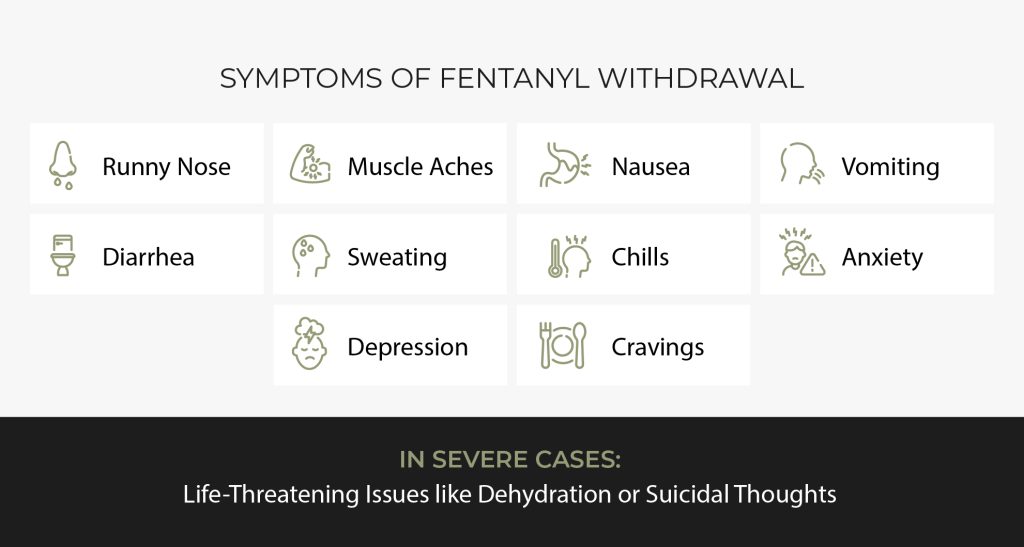
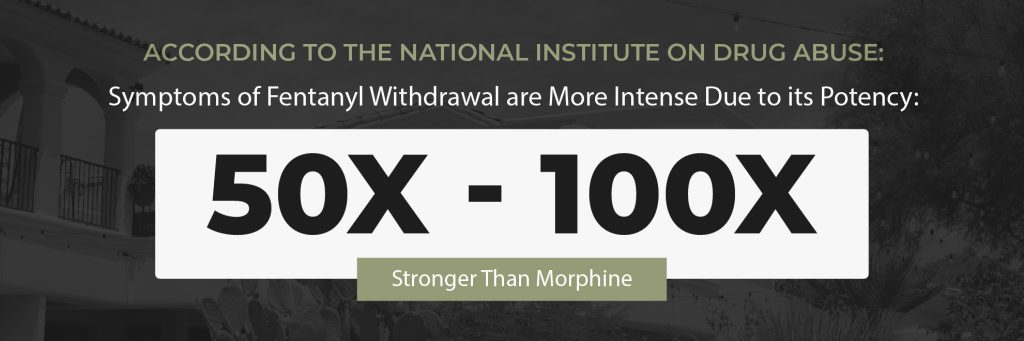
Withdrawal symptoms include a range of physical and psychological effects when someone who is physically dependent on fentanyl reduces or stops use. Common symptoms are a runny nose, muscle aches, nausea, vomiting, diarrhea, sweating, chills, anxiety, depression, and intense cravings. Severe cases may involve life-threatening issues like dehydration or suicidal thoughts. According to the National Institute on Drug Abuse, symptoms of fentanyl withdrawal are more intense due to its potency, 50–100 times stronger than morphine. Medical supervision helps manage these symptoms, ensuring comfort and safety.
How long does fentanyl detox take?
The fentanyl withdrawal timeline varies based on high dose, duration of use, and individual factors. Acute withdrawal symptoms typically last 5–10 days, starting 6–12 hours after the last dose and peaking at 24–72 hours, per the American Addiction Centers. Post-acute withdrawal syndrome (PAWS), including depression or cravings, can persist for weeks or months. Medical detox at a treatment center shortens the acute phase and supports long-term recovery, making the fentanyl addiction treatment process more manageable.
Can I taper fentanyl at home?
Tapering fentanyl at home is not recommended due to the life-threatening risks of withdrawal symptoms. Detoxing from fentanyl without medical supervision can lead to severe dehydration, heart issues, or relapse, especially for those on higher doses. Studies show that 65–70% of unsupervised detox attempts result in relapse due to intense symptoms. A treatment center like Desert Recovery Centers offers 24/7 care, ensuring a safe and effective tapering process with professional support to reduce the risk of complications.

What is a fentanyl taper schedule?
A fentanyl taper schedule involves gradually reducing the dose to ease the body off fentanyl. Medical professionals typically cut the dose by 10–33% every 3–7 days, depending on the patient’s high dose or extended-release formulation, per guidelines like those from Oceans Luxury Rehab. For example, a 100 mcg/hour fentanyl patch might drop to 75 mcg, then 50 mcg, over weeks. Compounded products allow precise reductions at lower doses. The treatment plan is tailored to minimize withdrawal symptoms and support pain management needs.
How to manage pain during a fentanyl taper?
Pain management during a fentanyl taper is critical, as fentanyl is often prescribed for severe pain. Medical professionals may use methadone or buprenorphine to manage pain while tapering, alongside non-opioid options like ibuprofen or gabapentin. Behavioral therapies, such as Cognitive Behavioral Therapy (CBT), and relaxation techniques like meditation, help address pain perception. Support groups at a treatment center offer coping strategies, ensuring patients maintain comfort and peace of mind during the tapering process.
What happens if I stop fentanyl abruptly?
Abrupt discontinuation of fentanyl can trigger severe withdrawal symptoms, including nausea, muscle pain, a runny nose, intense cravings, and life-threatening complications like dehydration or suicidal thoughts. The CDC notes that abrupt cessation increases the risk of overdose if use resumes due to lowered tolerance. Suddenly stopping fentanyl, especially prescription opioids like the extended-release patch, is dangerous. A slow taper under medical supervision is essential to reduce the risk and ensure safety.
How to taper off a fentanyl patch?
Tapering off the extended-release fentanyl patch requires careful planning due to its 17-hour half-life. Medical professionals typically reduce the patch strength by 12–25 mcg/hour every 3–7 days, per Oceans Luxury Rehab guidelines. For example, a 50 mcg/hour patch might drop to 37.5 mcg, then 25 mcg, over weeks. Compounded products or oral opioids like methadone may be used for precision at lower doses. Treatment centers monitor withdrawal symptoms, ensuring a safe and effective tapering process.

Is buprenorphine used for fentanyl detox?
Buprenorphine is widely used in fentanyl detox, as it reduces withdrawal symptoms and cravings by partially activating opioid receptors. Often combined with naloxone in drugs like Suboxone, it helps prevent misuse, per the FDA. Medical professionals may start buprenorphine after initial withdrawal symptoms appear, ensuring a smoother tapering process. Treatment centers like Desert Recovery Centers integrate buprenorphine into evidence-based fentanyl addiction treatment, supporting safe and effective recovery.
What are the risks of fentanyl withdrawal?
Fentanyl withdrawal carries risks like severe dehydration from vomiting and diarrhea, heart rate spikes, or suicidal thoughts, per the American Addiction Centers. The high potency of fentanyl increases the risk of relapse, with 65–70% of unsupervised detox attempts failing, per the CDC. Lowered tolerance after detox heightens overdose risk if use resumes. Medical supervision at a treatment center mitigates these risks, ensuring a safe and effective withdrawal process.
How slow should the fentanyl taper be?
A slow taper is essential to reduce the risk of withdrawal symptoms. Medical professionals typically cut doses by 10–33% every 3–7 days, with slower reductions (5–10%) at lower doses, per Sullivan Recovery. Higher doses or long-term use may require months, with extended-release forms needing careful adjustments. Compounded products ensure precision. The treatment plan is tailored to keep symptoms of fentanyl withdrawal manageable, prioritizing patient comfort.

When to seek professional help for fentanyl detox?
Professional help is needed if withdrawal symptoms like severe pain, a runny nose, or suicidal thoughts emerge, or if intense cravings threaten relapse. Talk to your doctor immediately for life-threatening symptoms like dehydration or heart issues. Treatment centers provide 24/7 medical supervision, especially for those physically dependent on prescription opioids.
Can tapering prevent severe fentanyl symptoms?
A slow taper significantly reduces the risk of severe symptoms of fentanyl withdrawal, such as nausea, intense cravings, or suicidal thoughts. Gradual dose reductions allow the body to adjust, minimizing physical and psychological distress. Medical supervision with adjunctive medications like buprenorphine further prevents severe symptoms, per SAMHSA guidelines. Support groups and therapy enhance the tapering process, ensuring lasting recovery.
What support is available for opioid taper, like fentanyl?
Support for tapering prescription opioids like fentanyl includes medical detox, behavioral therapy, and support groups. Treatment centers offer methadone or buprenorphine to ease withdrawal symptoms, alongside CBT to address pain management and emotional challenges. Support groups like Narcotics Anonymous provide community encouragement.
Fentanyl Addiction Recovery at Desert Recovery Centers
At Desert Recovery Centers, we understand the challenges of fentanyl addiction and withdrawal. Our evidence-based approach and compassionate medical professionals ensure a safe and effective tapering process, tailored to your unique needs. We offer 24/7 medical supervision, adjunctive medications, behavioral therapies, and robust support systems to help you achieve lasting recovery. Don’t face this journey alone. Contact us today for a confidential consultation and take the first step towards a healthier, fentanyl-free life.
Previous Chapter
How to Wean Off Adderall
Next Chapter
How to Wean Off Alcohol

Additional Chapters on Drug or Alcohol Detoxification


Don’t Wait Another Day to Help Yourself or A Loved One
We Are Here to Guide You On This Healing Journey
"*" indicates required fields