Luxury Rehab vs Traditional Rehab: What's the Real Difference?
Not all treatment is created equal. Here is what separates a luxury behavioral health program from a standard facility, and why it matters for your recovery.
What Makes a Rehab Center Truly Luxury?
The term luxury rehab is often misunderstood. True luxury behavioral health treatment is not simply about high-end amenities or beautiful facilities. It is about the clinical depth behind the experience. At a genuine luxury rehab center, you will find doctoral-level clinical teams, low client-to-staff ratios, and individualized treatment plans that evolve with each client throughout their stay.
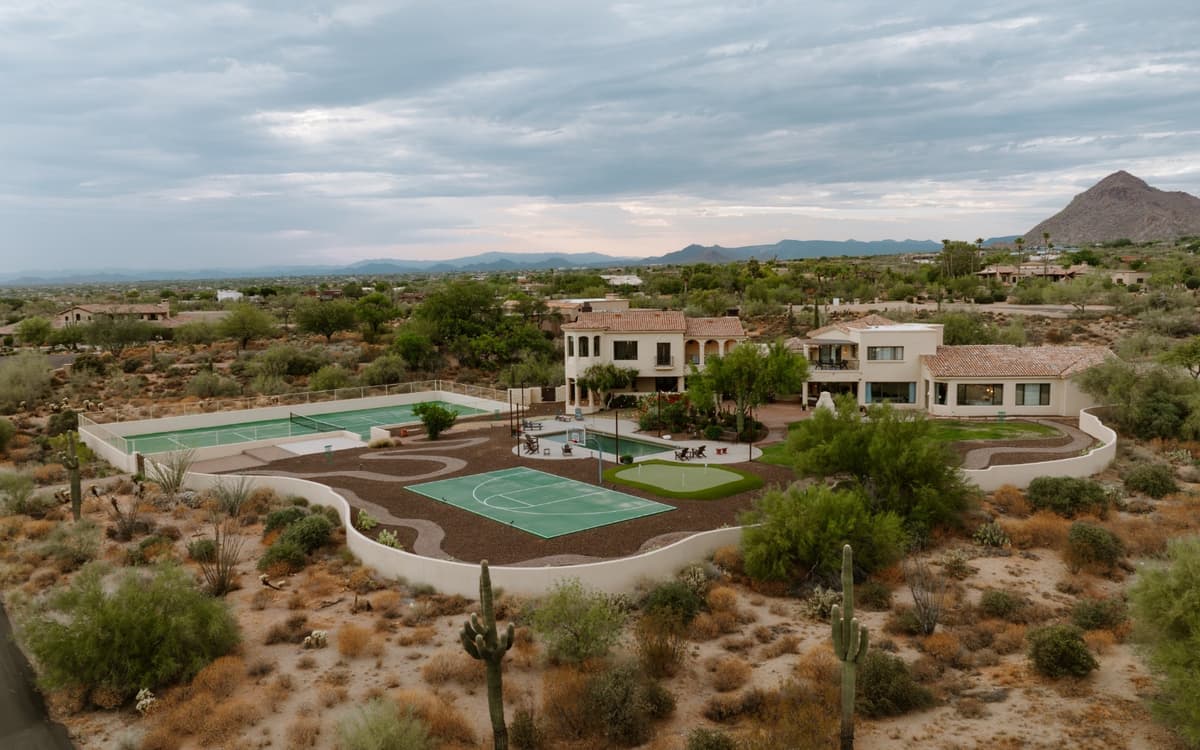
At Desert Recovery Centers, our Arizona luxury rehab facilities maintain a maximum of 10 beds per location. This intentional intimacy means every client receives personalized attention, daily clinical contact, and a recovery environment free from the overcrowding that often defines standard treatment settings.
When you choose a luxury rehab in Arizona, you are choosing a program where your comfort, privacy, and clinical progress are the priority, from the moment you arrive through every stage of your recovery.
Luxury Rehab vs Traditional Rehab: Side by Side
| Category | Luxury Rehab | Traditional Rehab |
|---|---|---|
| Client-to-staff ratio | Low (boutique, 10 beds max) | High (30 to 100+ clients) |
| Clinical team | Doctoral-level psychologists and MDs | Variable credentials |
| Treatment plan | Fully individualized, updated weekly | Standardized protocols |
| Setting | Private residences, resort-style grounds | Institutional or clinical settings |
| Privacy | High, discreet admissions | Shared wards or dorms |
| Amenities | Holistic therapies, gourmet nutrition, TMS | Basic programming |
| Insurance | OON commercial + in-network TRICARE for residential treatment (through TriWest) | Varies widely |
| Accreditation | Joint Commission Gold Seal | Varies |
Clinical Depth: The Most Important Difference
The single biggest difference between luxury and standard rehab is the intensity and personalization of clinical care. This shows up in several concrete ways:
Staff-to-Client Ratios
Standard facilities often operate with 30 or more beds, meaning therapists and psychiatrists divide their attention across large groups. Luxury programs like Desert Recovery Centers maintain intentionally small program sizes, which allows clinicians to know each client deeply, not just their diagnosis, but their story, their triggers, and what motivates their recovery.
Frequency of Individual Therapy
In many standard programs, clients may receive one individual therapy session per week, with the bulk of treatment delivered through group sessions. Luxury programs typically offer multiple individual sessions per week with doctoral-level clinicians, providing space for the deeper therapeutic work that group settings cannot always accommodate.
Psychiatrist Access
Medication management is critical for many people in early recovery, especially those with co-occurring mental health conditions. Standard programs may have a psychiatrist available one or two days per week. Luxury programs generally provide more frequent psychiatric oversight, allowing for faster medication adjustments and more responsive care.
Dual Diagnosis Capability
Addiction rarely exists in isolation. Depression, anxiety, PTSD, bipolar disorder, and other conditions frequently co-occur with substance use disorders. While some standard programs offer basic dual diagnosis services, luxury programs are more likely to have the specialized clinical staff needed to treat complex co-occurring conditions simultaneously and comprehensively.
Amenities: More Than a Sales Pitch
Pools, fitness centers, gourmet meals, and outdoor recreation might seem like marketing fluff. But when you understand the science of addiction recovery, these amenities serve real clinical purposes:
Exercise has been shown to reduce cravings, improve mood, and support neurological repair during early recovery
Proper nutrition helps restore neurochemistry disrupted by substance use, gourmet meals built around recovery nutrition are not indulgence, they are medicine
Recreational activities like swimming, hiking, and sports help clients build sober social skills and rediscover enjoyment without substances
Yoga, meditation, and mindfulness spaces support nervous system regulation and emotional processing
Comfortable outdoor spaces encourage clients to spend time in nature, which research links to reduced anxiety and improved mental clarity
Art and music therapy rooms provide creative expression outlets for processing emotions that are difficult to verbalize
The best luxury programs integrate these elements into the treatment plan itself, not as optional extras, but as components of a holistic recovery experience.
Why Environment Matters in Recovery
Recovery research consistently shows that treatment setting plays a significant role in outcomes. Clients in lower-stress, more private environments demonstrate higher treatment completion rates and better long-term sobriety outcomes. The environment itself becomes part of the therapeutic process.
Arizona's luxury rehab centers like Desert Recovery Centers are designed around this principle. Our Glendale and Scottsdale residential facilities offer private accommodations, serene desert surroundings, and a calm atmosphere that supports the deep clinical work of recovery.
Privacy and Discretion
For many people considering rehab, privacy is a significant concern. Executives worried about professional reputation, healthcare workers navigating licensing implications, public figures concerned about media exposure, and parents who don't want to alarm their children, all of them need discretion.
Standard facilities, with their larger census sizes, inherently offer less privacy. More clients means more people aware of your presence, more shared spaces, and more opportunities for confidentiality to be compromised, not through malice, but simply through volume.
Luxury programs with small census sizes naturally provide greater privacy. Fewer clients means fewer people know you're there. Private rooms mean your space is your own. And smaller group therapy sessions create a more intimate, controlled environment where vulnerability feels safer. For professionals whose careers depend on discretion, this is not a luxury, it is a necessity.
Outcomes and Aftercare
Research in addiction treatment consistently suggests that longer stays in treatment are associated with improved long-term outcomes. While a 28-day standard program can begin the recovery process, many clinical experts recommend 60 to 90 days for more durable results, particularly for individuals with co-occurring mental health conditions or long histories of substance use.
Luxury programs are more likely to support extended stays, both because their environments make longer treatment more sustainable and because their clinical models are designed for deeper, more gradual therapeutic work.
Equally important is what happens after discharge. The best luxury programs invest heavily in aftercare planning, step-down recommendations, outpatient referrals, therapist matching, alumni support networks, and ongoing check-ins. Recovery doesn't end when treatment does, and comprehensive aftercare can make the difference between sustained sobriety and relapse.
How Desert Recovery Centers Compares
National luxury rehab brands like All Points North (APN) offer quality care, and we respect the work they do. But for Arizona residents and families, Desert Recovery Centers offers distinct advantages that national chains often cannot match.
Smaller Program Sizes
DRC maintains intentionally small client cohorts across our Arizona facilities. This means your clinical team does not just know your chart, they know you. Treatment plans are genuinely individualized, not templated.
Local Clinical Leadership
Our Clinical Director, Dr. An Nguyen, is on-site and actively involved in treatment planning. You are not being treated by rotating staff or remote oversight, you are receiving care from a consistent, invested clinical team.
Arizona-Rooted Aftercare
Because DRC is based in Arizona, our aftercare network, therapists, psychiatrists, support groups, sober living, is local. When you transition out of residential care, you are stepping into a recovery community we have helped build, not being handed a generic referral list for a state you do not live in.
Multiple Facility Options
With locations across the Phoenix metropolitan area, DRC offers flexibility in setting and environment while maintaining consistent clinical standards across every facility.
Comparable Clinical Depth
DRC provides the same evidence-based therapies, psychiatric oversight, and dual diagnosis treatment that national luxury programs offer, with the added benefit of a smaller, more personal environment where you will not get lost in the system.
Frequently Asked Questions
Luxury rehab centers offer lower client-to-staff ratios, more private accommodations, doctoral-level clinical teams, holistic amenities, and highly personalized treatment plans compared to standard facilities which typically operate at higher capacity with less individualized care.
Ready to Experience Luxury Addiction Treatment in Arizona?
Speak with our admissions team today. Most clients begin treatment within 48 hours of their first call.