

Get Relief
12 Step Program
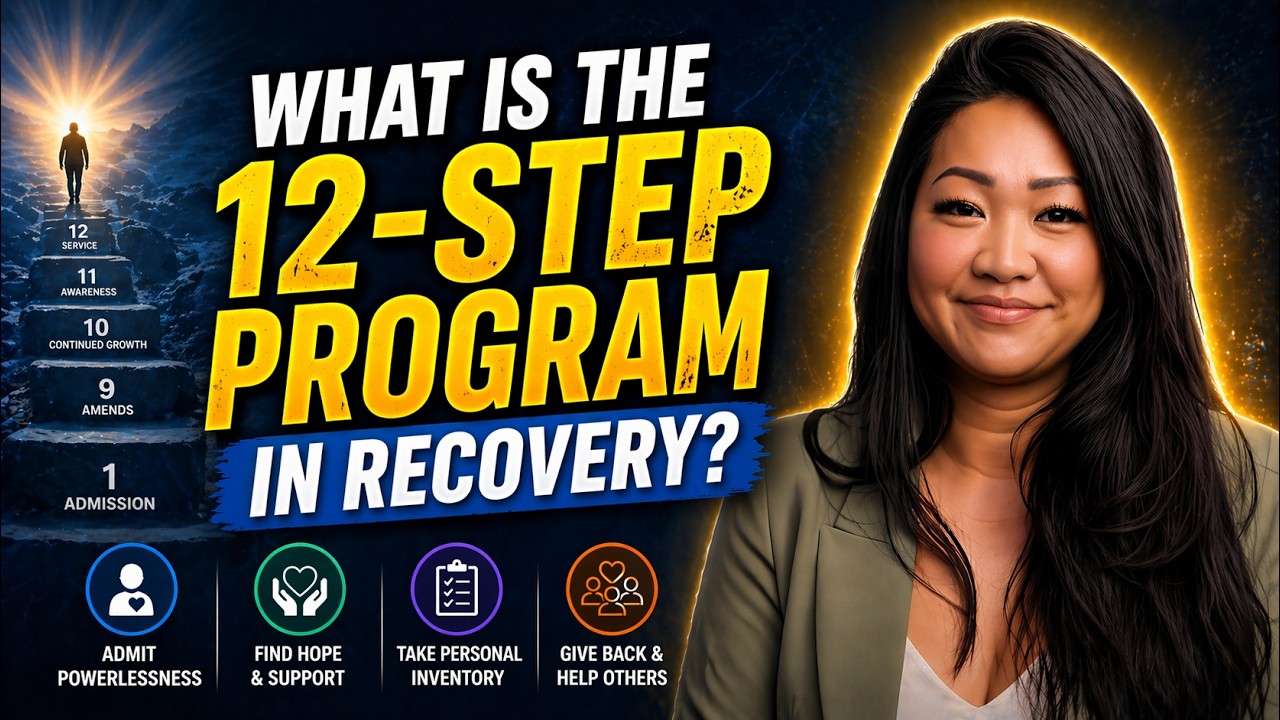
The 12-step program is a widely recognized and time-tested approach to addiction recovery. It emphasizes spiritual growth, self-awareness, and mutual support for those who desire lasting sobriety.
Understanding The 12-step program
BEFORE WE CAN SOLVE A PROBLEM WE FIRST NEED TO UNDERSTAND THE PROBLEM…
The 12-step program is a widely recognized and time-tested approach to addiction recovery, emphasizing spiritual growth, self-awareness, and mutual support. Developed by Alcoholics Anonymous (AA), this program provides a structured framework for individuals to address their addictive behaviors and find a path to sobriety. Each step encourages introspection, acceptance of personal responsibility, and a willingness to make amends where necessary. Moreover, the program emphasizes the importance of ongoing support through regular meetings and sponsorship, fostering a sense of community and accountability among participants. Through its holistic approach, the 12-step program offers hope and guidance to those seeking lasting recovery from addiction.

You Are Not Alone
970M+
suffer with mental health
38%
of adults battle addiction
94%
haven’t received treatment
What is a 12-Step Program, and how does it work?
The 12-step program was developed by Alcoholics Anonymous founders Bill Wilson and Dr. Bob Smith based on their own experiences as recovering alcoholics, which has now expanded beyond alcoholism to other addictions as well. It’s a peer-to-peer program that helps people recover from substance use disorders or compulsive behaviors, focusing on personal accountability, spiritual growth, and community service and support.
What are the 12 Steps of AA or NA?
The 12 steps among the various types of programs are based on the original 12 steps of AA:
- We admitted we were powerless over alcohol—that our lives had become unmanageable.
- Came to believe that a Power greater than ourselves could restore us to sanity.
- Made a decision to turn our will and our lives over to the care of God as we understood Him.
- Made a searching and fearless moral inventory of ourselves.
- Admitted to God, to ourselves, and to another human being the exact nature of our wrongs.
- Were entirely ready to have God remove all these defects of character.
- Humbly asked Him to remove our shortcomings.
- Made a list of all persons we had harmed, and became willing to make amends to them all.
- Made direct amends to such people wherever possible, except when to do so would injure them or others.
- Continued to take personal inventory and when we were wrong promptly admitted it.
- Sought through prayer and meditation to improve our conscious contact with God as we understood Him, praying only for knowledge of His will for us and the power to carry that out.
- Having had a spiritual awakening as the result of these steps, we tried to carry this message to alcoholics, and to practice these principles in all our affairs.
Are 12-Step Programs effective for addiction recovery?
Every person’s journey is different, but there are many addicts who have benefited from the 12-step program and have achieved effective recovery and lasting sobriety from their addictions.
Do you have to be religious to join a 12-Step Program?
No, you do not have to be religious. Although the program has a spiritual aspect, it allows everyone to express their religious convictions while still benefiting from what makes the 12 steps effective for achieving lasting sobriety.
What types of 12-Step Programs are available?
Different types of 12-step programs include:
- Alcoholics Anonymous (AA)
- Narcotics Anonymous (NA)
- Overeaters Anonymous (OA)
- Gamblers Anonymous (GA)
- Al-Anon (for families of addicts)
- Sex Addicts Anonymous (SAA)
What happens at a 12-Step meeting?
12-step meetings are typically 60-90 minutes long, led by a chairperson, involving introductions, readings taken from the “Big Book” or other texts, prayer, discussions, and the sharing of recovery stories among many other elements, depending on the particular meeting you attend.
Can 12-Step Programs help with non-substance addictions?
Yes, there are groups for addictions relating to compulsive behaviors such as overeating, gambling, and sex.
What is the role of a sponsor in a 12-Step Program?
A sponsor is essentially a veteran of a particular 12-step program who can provide personalized mentorship to a newer member or “sponsee.” They will help you work through the steps, especially the introspective steps, offering insights and encouragement as you progress in your recovery.
Are 12-Step Programs free, and are they covered by insurance?
Yes, 12-step programs have no membership fees and are run and funded by voluntary contributions and volunteers. The only aspects you may have to pay for are literature (AA’s “Big Book” or NA’s “Basic Text”).

Desert Recovery Centers in Arizona
We pride ourselves on providing the highest-quality facilities for you on your pathway to recovery. Our amenities, suites, and services are the leaders in the industry, along with our exceptional staff and clinical psychologists–Dr. An Nguyen and Dr. Jonathan Shelton–who are leaders of our addiction recovery and mental health team.

GLENDALE RECOVERY CENTER

7500 SQ FT

Basketball and Tennis

Massage

Gym

Scottsdale RECOVERY CENTER

Pool
Basketball and Tennis
Massage
Gym
Treatment Therapies


Addictions We Treat

Cocaine Addiction Treatment
Learn More
Fentanyl Addiction Treatment
Learn More
Gambling Addiction Treatment
Learn More
Heroin Addiction Treatment
Learn More
Inpatient Alcohol Treatment
Learn More
Marijuana Addiction Treatment
Learn More
Meth Addiction Treatment
Learn More
Prescription Drug Addiction Treatment
Learn More
Sex Addiction Treatment
Learn More Stimulant Addiction Treatment
Learn More
Blog Resources
-

How Do You Explain Addiction to Young Children in the Home?
Explaining addiction to young children is one of the most emotionally difficult conversations a parent or caregiver can face. Many adults worry about saying the wrong thing, saying too much,
-
How Does Alcohol Affect Mental Health?
Alcohol doesn’t just coexist with mental health struggles; it can worsen symptoms, delay healing, and complicate treatment when left unaddressed. Alcohol and Mental Health Are Deeply Connected When alcohol use
-
What Are the Stages of Family Recovery?
Addiction doesn’t affect just one person – it engulfs the entire family system. While much of the focus is often placed on the individual struggling with substance use, families also




Don’t Wait Another Day to Help Yourself or A Loved One
We Are Here to Guide You On This Healing Journey
"*" indicates required fields