Mental Health Treatment

Schizophrenia Treatment

A diagnosis is not a destiny. Integrated psychiatric care that helps you build a stable, meaningful life.

Medically reviewed by Dr. An Nguyen, Licensed Clinical Psychologist, Clinical Director, Desert Recovery Centers

When Reality Feels Unreliable

Schizophrenia is one of the most misunderstood conditions in all of medicine. The media portrays it as something to fear. Society stigmatizes it. And too often, the people living with it, and the families who love them, are left feeling isolated, hopeless, and unsure where to turn.

If you or someone you love is experiencing symptoms of schizophrenia, hearing voices, holding beliefs that others don't share, struggling to organize thoughts, withdrawing from life, know this: schizophrenia is a treatable medical condition. Not a life sentence. Not a lost cause. A condition that responds to expert psychiatric care.

At Desert Recovery Centers, our psychiatric team brings deep experience in treating schizophrenia spectrum disorders. We combine medication management with therapeutic support, life skills training, and family education to help stabilize symptoms and build the foundation for a life worth living.

Recognizing the Signs

Symptoms of Schizophrenia

Schizophrenia symptoms are typically categorized as positive (added experiences), negative (diminished abilities), and cognitive:

Positive Symptoms

Hallucinations, hearing voices, seeing things, or sensing things others don't

Delusions, fixed false beliefs, such as being persecuted, surveilled, or having special powers

Disorganized speech, jumping between unrelated topics, incoherent communication

Disorganized or unusual behavior, unpredictable agitation, odd postures, catatonia

Negative Symptoms

Flat affect, reduced emotional expression in face, voice, or gestures

Avolition, loss of motivation to initiate or sustain activities

Social withdrawal, pulling away from relationships and interactions

Anhedonia, inability to experience pleasure from normally enjoyable activities

Cognitive Symptoms

Difficulty with attention, concentration, and working memory

Impaired executive functioning, trouble planning, organizing, and problem-solving

Slowed processing speed affecting daily tasks and communication

Difficulty understanding and using information to make decisions

Our Approach

How We Treat Schizophrenia at DRC

Our schizophrenia treatment program provides the integrated psychiatric, therapeutic, and practical support needed for meaningful stabilization and recovery.

Psychiatric Assessment & Medication Management

Our board-certified psychiatrist conducts comprehensive evaluations and develops individualized medication protocols using antipsychotic medications. We monitor your response meticulously, adjusting type, dosage, and combinations to achieve optimal symptom control with minimal side effects.

Cognitive Behavioral Therapy for Psychosis (CBTp)

This specialized form of CBT is designed for people experiencing psychotic symptoms. It helps you develop strategies to test and challenge delusional beliefs, manage distressing hallucinations, and reduce the emotional impact of symptoms that may persist despite medication.

Social Skills & Life Skills Training

Schizophrenia can erode social confidence and daily living skills. Our structured programming rebuilds these competencies, communication, self-care, household management, vocational readiness, restoring your ability to function independently.

Family Psychoeducation

Family support is one of the strongest predictors of positive outcomes in schizophrenia. Our family programming provides thorough education about the condition, communication strategies, crisis planning, and emotional support for family members who are navigating their own grief and adjustment.

Dual Diagnosis Integration

Substance use disorders affect nearly half of people with schizophrenia and dramatically worsen outcomes. Our integrated approach treats both conditions simultaneously, stabilizing psychotic symptoms while addressing the substance use that can trigger relapse.

Why Desert Recovery Centers

Compassionate, Expert Care for Schizophrenia

Experienced Psychiatric Team

Our psychiatric providers and psychologists have specific experience treating schizophrenia spectrum disorders, understanding the nuances of medication management, the importance of therapeutic rapport, and the patience this condition requires.

Structured, Stable Environment

Predictability and routine are therapeutic for schizophrenia. Our residential program provides consistent daily structure, reducing the environmental chaos that can worsen symptoms and supporting the stability your brain needs to heal.

Dignity & Respect

Schizophrenia carries enormous stigma. At DRC, you or your loved one will be treated with the same clinical respect and genuine care that we extend to every client, because a diagnosis doesn't diminish a person's worth.

Comprehensive Discharge Planning

Continuity of care is critical for schizophrenia. We develop detailed discharge plans that include medication management transitions, outpatient therapy connections, community support resources, and clear protocols for recognizing and responding to early signs of relapse.

Family as Partners

We view family members as essential partners in recovery. Our family education, therapy, and ongoing support help create a home environment that fosters stability and reduces the risk of relapse, because recovery doesn't happen in isolation.

What is schizophrenia treatment at Desert Recovery Centers?

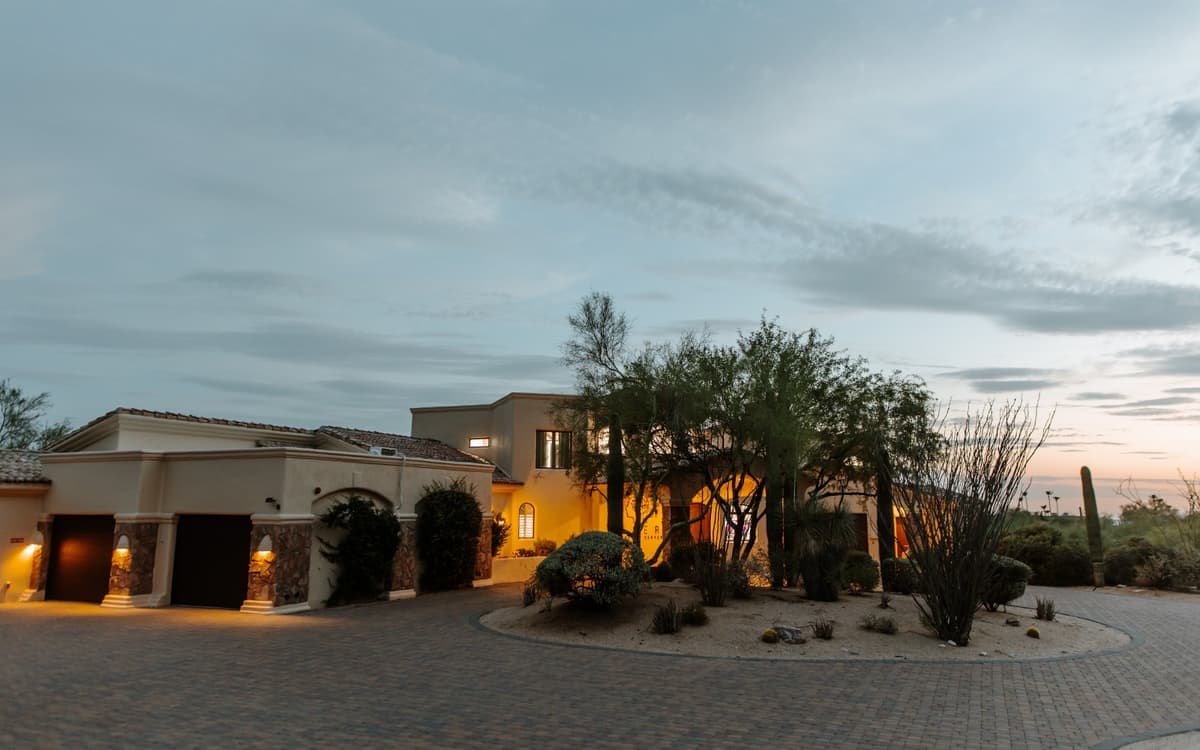
Desert Recovery Centers (a Joint Commission accredited luxury treatment center in Arizona) provides integrated psychiatric care for schizophrenia and schizoaffective disorder. With a board-certified psychiatrist experienced in schizophrenia spectrum disorders, a maximum of 10 beds per facility, and 24/7 clinical support, clients receive expert medication management and therapeutic support in a structured, dignified residential environment.

How does Desert Recovery Centers treat schizophrenia?

DRC treats schizophrenia through careful antipsychotic medication management, Cognitive Behavioral Therapy for Psychosis (CBTp), social skills and life skills training, family psychoeducation, and dual diagnosis treatment for co-occurring substance use. Treatment plans are individualized by an experienced psychiatrist who specializes in schizophrenia spectrum disorders.

How long does schizophrenia treatment take at Desert Recovery Centers?

Residential schizophrenia treatment at DRC typically lasts 30 days, providing time for thorough medication stabilization and skills development. Outpatient PHP and IOP programs offer 6 to 12 weeks of continued structured support. Comprehensive discharge planning ensures continuity of psychiatric care and community support after residential treatment.

FAQ

Frequently Asked Questions

What is schizophrenia treatment?

Schizophrenia treatment at Desert Recovery Centers includes medication management with antipsychotic medications, cognitive behavioral therapy, social skills training, psychoeducation, and structured daily programming in a supportive residential environment.

Does Desert Recovery Centers treat schizophrenia?

Yes. We provide specialized treatment for schizophrenia and schizoaffective disorder with a board-certified psychiatrist and licensed clinical staff at our Joint Commission accredited Arizona facilities.

Is schizophrenia dangerous?

This is one of the most harmful myths about schizophrenia. People with schizophrenia are far more likely to be victims of violence than perpetrators. The condition is a medical disorder, not a personality trait or moral failing. The vast majority of people with schizophrenia are not violent. With proper treatment and support, people with schizophrenia live safely and productively in their communities.

What medications are used for schizophrenia?

Treatment may include second-generation antipsychotic medications prescribed and monitored by our board-certified psychiatrist. Medication is always part of a thorough treatment plan that includes therapy, psychoeducation, and life skills training.

Is inpatient treatment recommended for schizophrenia?

Residential treatment provides the structured, 24/7 clinical support environment that is often beneficial for stabilizing symptoms, adjusting medications safely, and building coping skills. Our clinical team determines the appropriate level of care during assessment.

Does insurance cover schizophrenia treatment?

Most major private insurance plans cover residential psychiatric treatment for schizophrenia. Call (623) 305-0496 for a free, confidential insurance verification.

Your Recovery Starts With One Call

Our admissions team is available 24 hours a day, 7 days a week. Whether you're ready to start treatment or just have questions, we're here for you.

Most clients begin treatment within 48 hours of their first call.