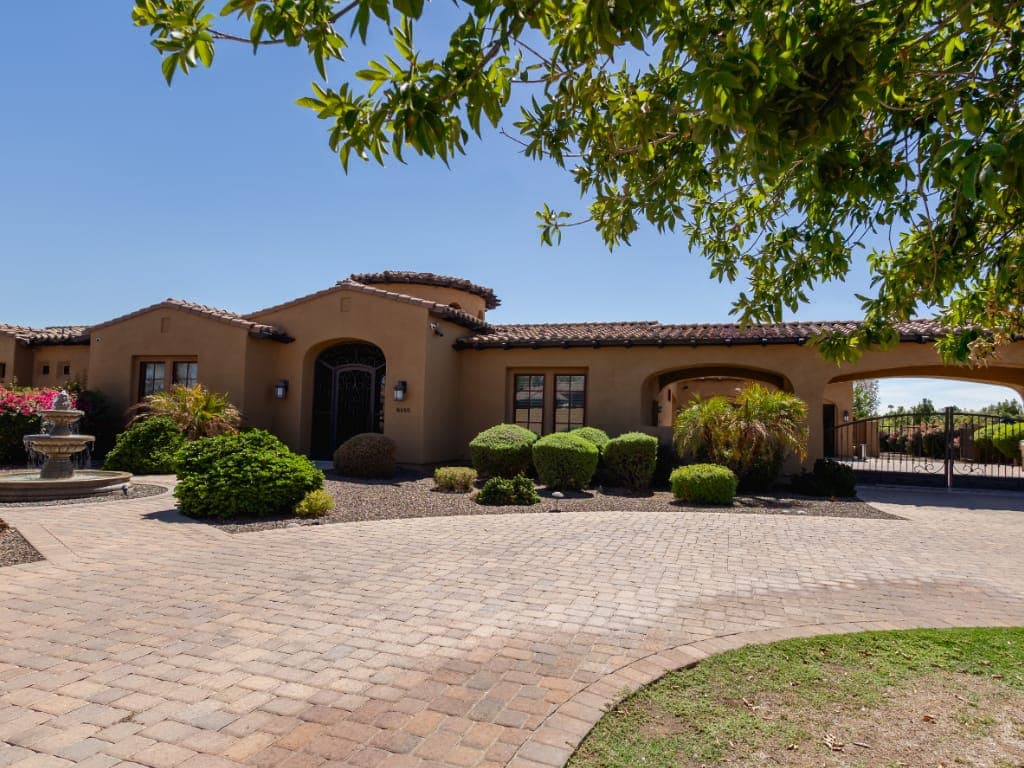
You have probably been imagining this for weeks, maybe longer. What does it actually look like inside? Will you have any privacy? Will every minute be accounted for? Will it feel like a hospital, a dormitory, a classroom? The not-knowing is often the hardest part, and it can be enough to keep someone from making the call at all. That fear is understandable, and it deserves a straight answer.
Residential treatment is not what television makes it look like. It is not a spa, it is not a lockdown ward, and it is not just sitting in a circle talking about feelings. It is a structured, clinical environment built around one goal: giving your brain and body enough time, support, and skill-building to start recovering. Here is what a real day looks like.
Why Structure Is the Point
In early recovery, the part of the brain responsible for decision-making, impulse control, and managing stress is genuinely impaired. This is not a character flaw. It is a measurable consequence of prolonged substance use, and it recovers over time with abstinence. Structured daily routines actively support that recovery process. They reduce how often cravings spike, they keep the nervous system from running in crisis mode, and they give people a framework to practice new coping skills inside a safe environment before they have to use those skills in the real world.
That is the reason a residential program schedules your day tightly, especially in the first week or two. It is not punitive. It is clinical.
What a Typical Day Actually Looks Like
Every program differs slightly, but evidence-based residential treatment tends to follow a consistent daily framework. Here is what most days include:
- Morning: Wake-up, vitals check, and medication management. Many people entering residential care have medical needs that require daily monitoring, including blood pressure, blood sugar, and any prescribed medications for co-occurring conditions.
- Morning group therapy: Usually the first of two to four group sessions in the day. Groups are not open-ended venting sessions. They are structured therapeutic formats, often Cognitive Behavioral Therapy skills, Dialectical Behavior Therapy practice, or Motivational Interviewing work.
- Individual counseling: Scheduled one-on-one sessions with a primary counselor to work on your specific history, goals, and clinical needs.
- Psychoeducation: Sessions that explain the science of addiction, how the brain is affected, what relapse patterns look like, and how to recognize and manage triggers. This is classroom-style learning, and it matters.
- Meals: Shared, structured, and important. Nutrition and eating routines are part of physical stabilization, and meals are often a place where peer community actually forms.
- Physical activity or mindfulness practice: Most programs build in some form of movement or mindfulness work. Both have meaningful effects on mood, sleep, and anxiety in early recovery.
- Evening programming: Often includes a 12-step or SMART Recovery meeting, wind-down activities, and a dedicated window for family contact (more on that below).
- Unstructured time: Most programs build in one to two hours a day that are not scheduled. This is intentional. Autonomy matters, and treatment fatigue is real.
The First 72 Hours Are the Most Intense
The beginning is the hardest part, and it is worth knowing that going in.
Clinical perspective from Dr. Nguyen: From my clinical experience, patients often arrive expecting residential treatment to be less structured and more like a traditional living environment, but the first 72 hours typically involve significantly more structure, clinical contact, and observation than anticipated. I explain to families that limits on phone and work contact are intended to reduce external stressors and allow the patient to focus on stabilization, while contact is generally expanded as clinically appropriate. The most important elements are not simply the number of groups or scheduled activities, but the consistency of structure, therapeutic engagement, medication monitoring, peer interaction, and opportunities to practice skills throughout the day.
The first few days typically involve more clinical observation, more frequent check-ins, and less outside contact than the weeks that follow. This is not punishment. It is acute stabilization. Your care team needs to see how you are responding, catch any medical concerns early, and help your nervous system start to settle before piling in outside stressors.
What About Phone Access and Work?
This is one of the questions that worries people most, and it is fair to ask. Most residential programs restrict phone use and work-related contact during the first two to four weeks. Contact with family is typically reintroduced through a structured window, often in the evenings, and expanded as you progress. Work accommodations are reviewed case by case based on clinical progress.
The reason is not arbitrary. External stressors, work pressure, family conflict, the constant pull of obligations you cannot currently solve, actively interfere with the stabilization process. Reducing that noise in the early weeks gives treatment a real chance to work.
This is also the part that families sometimes find difficult. Understanding why those limits exist makes them easier to accept.
What Weekends Look Like
Weekends are lighter than weekdays, but they are not a break from treatment. Core group sessions, medication routines, and meals continue. The structure is preserved because the structure is doing clinical work. What changes is the pace and the variety of programming. Weekends often include more community-based activities, peer time, and space for reflection.
The Part Nobody Talks About: The Peer Community
One of the most consistent findings in addiction treatment is that the peer community inside residential care has a real effect on outcomes. Not because of any single conversation, but because of repeated, daily contact with people who are in the same process. You are not watching a lecture about recovery in isolation. You are practicing it alongside people who understand exactly what the last year of your life felt like.
This is something you cannot replicate in outpatient treatment, and it is something most people do not anticipate before they arrive.
Here is the honest truth about what happens when people leave residential treatment before enough time has passed: the skills they practiced are not yet automatic. The brain is still healing. The social environment they are returning to has not changed. Relapse rates are significantly higher when treatment duration is cut short, and the consequences of relapse after a period of abstinence can be medically serious, because tolerance drops while the habits do not.
Residential treatment is not a reset button. It is the beginning of a longer process. But it is a beginning that requires enough time to actually work.
You do not have to figure this out alone. Desert Recovery Centers is here 24 hours a day, 7 days a week. Call (602) 635-7207 to talk with our admissions team, or verify your insurance online in a few minutes.
When to Seek Help: Signs That Residential Care Is the Right Level
Not everyone needs residential treatment. But some situations make outpatient care genuinely insufficient. Seek residential-level help when:
- You have tried outpatient treatment before and relapsed
- Your home environment includes active substance use or people who use
- You have co-occurring mental health conditions that are unstable or undertreated
- You cannot get through a day without using, regardless of the consequences
- You are medically complex enough that daily monitoring would meaningfully reduce your risk
- You do not have a stable or safe living situation to return to at night
If any of those describe where you are right now, outpatient care is probably not enough. That is not a judgment. It is a clinical observation, and it matters.
Note: If you or someone you love is in immediate medical distress or at risk of self-harm, call 911 or 988, or go to the nearest emergency room. Residential treatment is not an emergency service. Get stable first.
At Desert Recovery Centers, the clinical team works with each person to figure out what level of care actually fits. If detox is needed before residential treatment, that happens at a partner facility first, and the transition into residential programming is coordinated from there. From that point, the day-to-day work described above is what treatment looks like: structured, clinical, and built around you getting better.
If you have been circling this decision for a while, and you are reading this at an hour when you probably should be sleeping, that is worth paying attention to. You already know something needs to change.
You do not have to figure this out alone. Desert Recovery Centers is here 24 hours a day, 7 days a week. Call (602) 635-7207 to talk with our admissions team, or verify your insurance online in a few minutes.