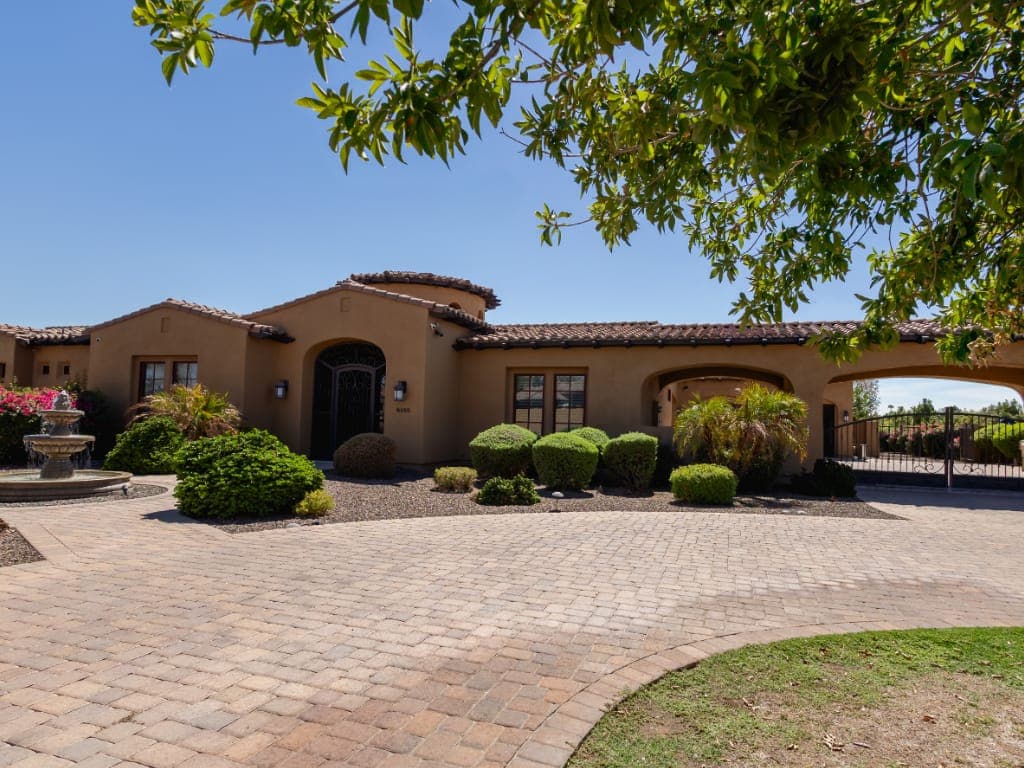
You are staring at two price tags, and the gap between them is terrifying. One program costs three times the other, and you are trying to figure out whether the difference actually matters, whether paying less means your loved one gets less, or whether the expensive one is mostly selling you a nicer bathroom. You need a real answer, not a brochure.
Here it is: the setting does not determine the outcome. The match between the program and the person does. Both types of programs can work, and both can fail. What separates programs that help from programs that do not has almost nothing to do with amenities.
Why This Choice Feels So High-Stakes
When someone you love is in crisis, or when you are the one who finally admitted you need help, every decision feels permanent. You worry that choosing wrong means wasted time, wasted money, or worse, a relapse that could have been prevented. That fear is reasonable. Treatment does require a real investment of time, money, and trust. But the anxiety tends to focus on the wrong variable: price and appearance, rather than clinical fit.
The truth is that the highest-cost programs in Arizona do not automatically deliver the best care. A program's accreditation, staff credentials, and fidelity to evidence-based therapies predict outcomes far more reliably than a private pool or chef-prepared meals.
What Standard Residential Programs Actually Offer
Standard residential programs, when properly staffed and accredited, deliver the core elements that move people toward recovery: individual therapy, group therapy, medical management, and structured daily routines. For most presentations, including moderate to severe substance use disorder with or without co-occurring mental health conditions, a well-run standard program produces outcomes comparable to higher-cost alternatives.
What to look for in any residential program, regardless of price level:
- State licensure and independent accreditation (such as CARF or The Joint Commission)
- Licensed clinical staff, including therapists and medical personnel
- Cognitive behavioral therapy or other evidence-based modalities built into the schedule
- Medication-assisted treatment available when clinically indicated
- Integrated care for co-occurring mental health conditions
- A recommended minimum stay of 90 days, or a clear clinical rationale for shorter stays
- A discharge and aftercare plan that connects to outpatient services
If a program checks these boxes, it has the clinical foundation that actually drives recovery. Everything else is secondary.
When a Luxury or Executive Program Is the Right Clinical Choice
Luxury rehab and executive treatment programs are not simply expensive versions of the same thing. They serve a specific population, and for that population, the differences can matter clinically, not cosmetically.
A professional who would refuse to enter treatment unless their privacy is guaranteed, their work schedule can be partially maintained, or their peer group reflects their life context is facing real barriers to admission. Removing those barriers increases the chance they actually enter and stay in treatment. That is a legitimate clinical consideration.
An executive treatment program may be the right fit if:
- Confidentiality is a genuine obstacle, not just a preference
- Professional obligations make a fully locked-down schedule unworkable
- Previous attempts at standard programs failed partly because of peer environment mismatch
- The person's clinical needs require a higher staff-to-client ratio than standard programs provide
None of these reasons are about luxury for its own sake. They are about removing the specific friction that has kept this particular person out of treatment.
Clinical perspective from Dr. Nguyen: From a clinical perspective, I tell families that the setting itself does not determine the quality of treatment; the fit between the program, the client’s clinical needs, and the level of structure and support available does. In practice, I see the most benefit when families look beyond amenities and ask whether the program can appropriately treat the person’s underlying mental health and substance use concerns, provide evidence-based treatment, and create enough structure to support meaningful change. Luxury or executive programs can be a good fit for some individuals when privacy, flexibility, or a particular peer environment removes barriers to treatment, but those factors should complement, not replace, the clinical foundation of the program.
The Misconception That Cost Equals Quality
This is where families lose the most money and sometimes the most time. A high price point signals marketing investment, not clinical quality. Some of the most expensive programs in Arizona carry minimal accreditation and rely heavily on amenities to justify their fees. Some of the most clinically rigorous programs are mid-range in cost.
Before asking what the program costs, ask these questions directly:
- What are your accreditation credentials, and can I verify them?
- What is the ratio of licensed clinical staff to clients?
- How do you treat co-occurring disorders, and what percentage of your clients have them?
- What evidence-based therapies are part of the daily schedule?
- What does your aftercare planning look like, and how long does it continue?
A program that cannot answer these questions clearly is telling you something important.
The Real Stakes of Getting This Wrong
Addiction does not wait while you decide. Every week spent in the wrong program, or in no program, is a week the disorder has to deepen. Substance use disorder at moderate to severe levels changes the brain over time, makes co-occurring conditions harder to treat, and raises the risk of medical complications and overdose. Choosing a program based on marketing language rather than clinical fit can mean a person completes treatment without getting the level of care their diagnosis actually required, and then wonders why it did not work.
Families sometimes spend enormous amounts on a high-amenity program that lacked integrated mental health care, then face a relapse and have to start over. Others avoid treatment entirely because they assumed they could not afford quality care, not knowing that accredited, evidence-based programs exist at a range of price points, and that insurance often covers more than people expect.
You do not have to figure this out alone. Desert Recovery Centers is here 24 hours a day, 7 days a week. Call (602) 635-7207 to talk with our admissions team, or verify your insurance online in a few minutes.
When to Seek Professional Help Choosing a Program
You do not have to make this decision alone, and you should not have to decode program brochures at 2am to figure out what is real. Seek a clinical consultation before committing to any program if:
- You are unsure whether residential care is the right level of need, or whether outpatient might be more appropriate
- The person has a co-occurring psychiatric condition that requires specialized treatment
- A previous treatment attempt did not work and you do not know why
- You are being pressured to decide quickly by an admissions team
- The program cannot clearly explain its clinical model or staff credentials
- You have questions about what your insurance will actually cover
A clinical assessment from an independent source can cut through the marketing noise and tell you what level and type of care the situation actually calls for. Desert Recovery Centers offers that kind of assessment, and it starts with a conversation, not a sales pitch. You can find information about insurance coverage at our insurance page.
What Actually Predicts Recovery
Three things predict recovery more reliably than anything else: staying in treatment long enough (at least 90 days for most people), building a real therapeutic relationship with a qualified clinician, and getting care that addresses both the substance use and any underlying mental health conditions at the same time. A program that delivers all three, whether it has marble countertops or linoleum floors, gives someone a genuine chance.
Ask the hard questions. Verify the credentials. Match the program to the clinical need, not the brochure. That is how you make this choice well.
You do not have to figure this out alone. Desert Recovery Centers is here 24 hours a day, 7 days a week. Call (602) 635-7207 to talk with our admissions team, or verify your insurance online in a few minutes.